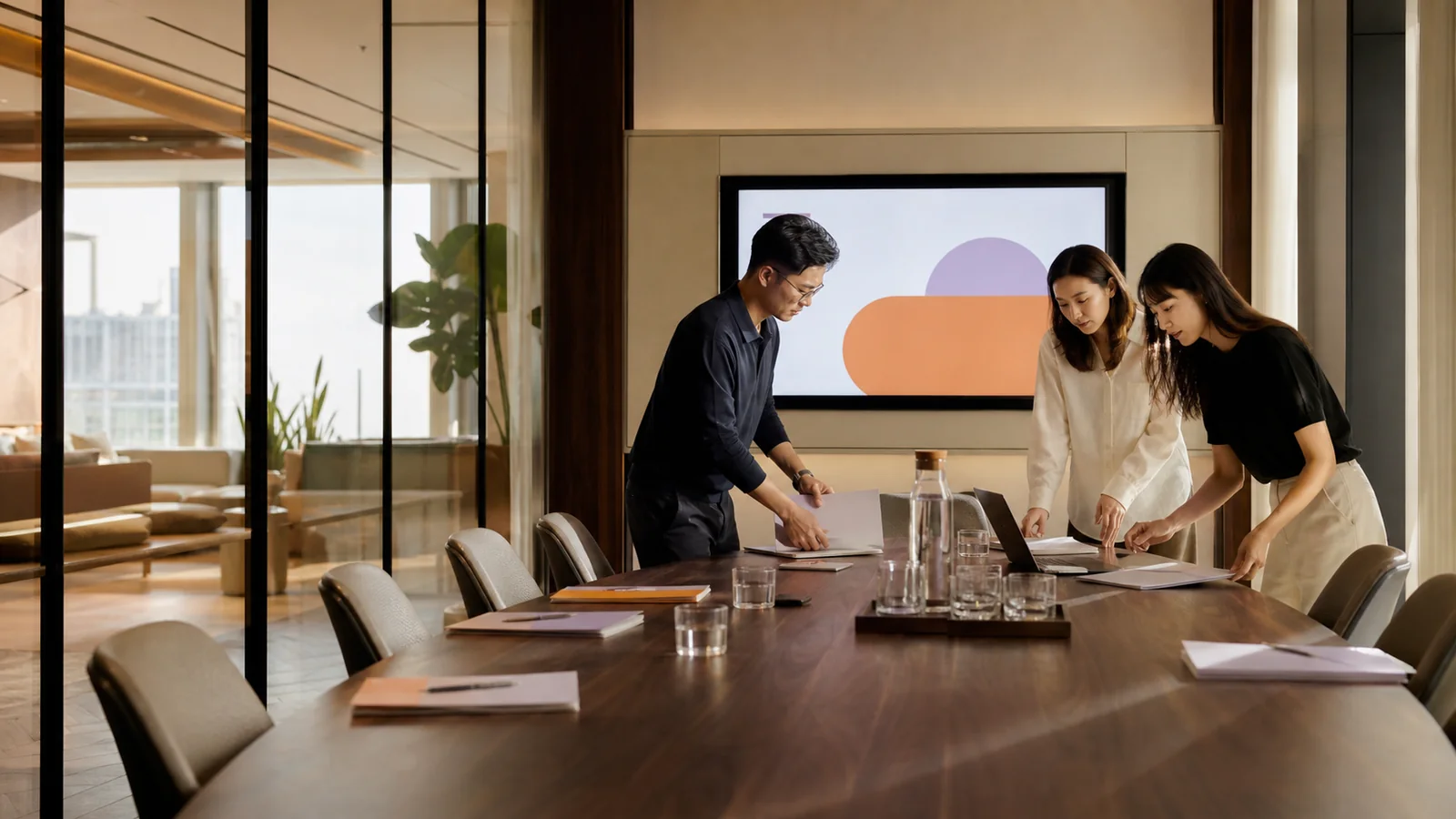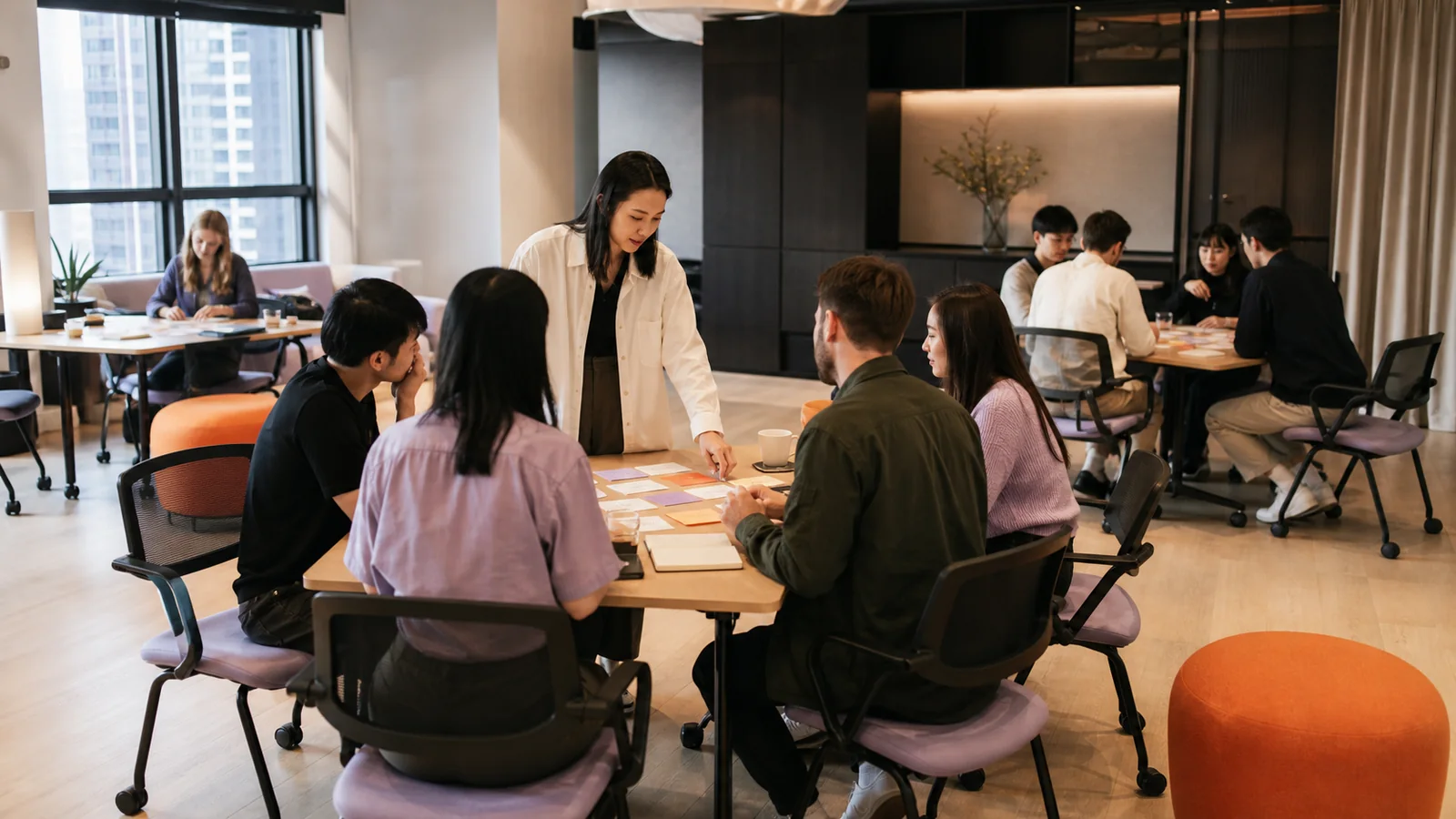
A meeting room is ideal for focused conversations. A workshop venue in Hong Kong needs more room when the format involves movement, group work, guests or a flexible setup. For businesses hosting workshops, launches, training or community gatherings, the right space can shape the whole experience.
Pillar guide
Key takeaways
- A meeting room works well for client calls, interviews, planning sessions and smaller internal discussions. It gives privacy, seating, a screen and a professional setting without unnecessary scale.
- Workshops, product launches, founder sessions, training days and networking events often need more flexible layouts. You may need space for presentation, group activity, arrivals, breaks and informal conversation.
- Capacity is only one part of venue planning. Consider how guests arrive, where they wait, how they move during breaks and whether the setup supports the event agenda. A room can technically fit people but still feel wrong for the format.
- Events usually involve more moving parts than a normal meeting. Presentation screens, microphones, video calls, seating changes and refreshments should be confirmed before the day. Build in time for setup and testing.
- Book event space for workshops, launches, training and larger community sessions.
01
Use a meeting room for focused discussion
A meeting room works well for client calls, interviews, planning sessions and smaller internal discussions. It gives privacy, seating, a screen and a professional setting without unnecessary scale.
If your session is mainly conversation-based, Base meeting rooms may be the most practical option.
02
Use a workshop venue when the format matters
Workshops, product launches, founder sessions, training days and networking events often need more flexible layouts. You may need space for presentation, group activity, arrivals, breaks and informal conversation.
Base event spaces in Hong Kong are designed for workshops, launches, team sessions and business gatherings, with flexible layouts and professional workspace support.
03
Assess workshop guest flow, not just capacity
Capacity is only one part of venue planning. Consider how guests arrive, where they wait, how they move during breaks and whether the setup supports the event agenda. A room can technically fit people but still feel wrong for the format.
The right event space makes the session easier to host because the physical layout supports the experience from arrival to close.
04
Plan technology and support early
Events usually involve more moving parts than a normal meeting. Presentation screens, microphones, video calls, seating changes and refreshments should be confirmed before the day. Build in time for setup and testing.
A professional workspace setting helps because teams can focus on content and guests rather than solving every operational detail themselves.
05
Signs your session has outgrown a meeting room
A session may need an event space when attendees need to move, split into groups, watch a presentation, network or stay for longer than a normal meeting. If the agenda includes multiple formats, a standard meeting room may feel too tight even when the capacity number looks acceptable.
Event spaces are also better when the guest experience matters. Product launches, community sessions and training days need room for arrival, informal conversation, breaks and clear sightlines. These details help the event feel intentional rather than improvised.
For smaller sessions, a meeting room may still be the better choice. The decision should follow the format, not the title of the event. A focused investor update may need a meeting room; a founder workshop may need event space.
Organizers should also think about energy. A room that is perfect for a six-person meeting may feel flat for a thirty-person workshop. Event space gives hosts more control over layout, movement, welcome moments and how people interact during breaks.
If the event has external guests, venue choice becomes part of the brand experience. A professional workspace setting can make a launch, training day or community gathering feel more credible without requiring the company to manage a standalone venue from scratch.
Budget should be considered through the full event experience, not only the room rate. If a better-suited event space reduces setup stress, improves guest flow and prevents technical confusion, it can be the more practical choice even for a smaller business gathering.
Good event planning also protects the host team. When the space supports the agenda, the team can spend more attention on guests, content and follow-up instead of constantly adjusting chairs, fixing equipment or managing bottlenecks.
- Book event space for workshops, launches, training and larger community sessions.
- Use meeting rooms for focused discussions, interviews and smaller client meetings.
- Plan layout, technology and guest flow before confirming the venue.
- Choose the space that supports the outcome, not just the headcount.
06
Conclusion: choose the space around the outcome
If the goal is a focused conversation, book a meeting room. If the goal is participation, energy, training, launch impact or community, an event space is often the better choice.
Looking for a workshop venue in Hong Kong? Explore Base event spaces, compare Hong Kong locations and meeting rooms, or contact Base to discuss your session.
FAQ
A few useful answers
When is an event space better than a meeting room?
Choose event space when the agenda needs movement, breakout groups, presentations, networking or a flexible layout. Use a meeting room for smaller, focused discussions.
How do I choose the right event-space capacity?
Consider the expected attendance, seating format, presentation area, circulation, refreshments and equipment—not only the maximum capacity number.
Can the venue layout be changed for a workshop?
Layout options depend on the venue and booking. Share the workshop format, group size and preferred seating arrangement before confirming the space.
What information should I provide when enquiring?
Provide the date, timing, expected attendance, event format, layout, technology, catering and guest-arrival needs so the team can recommend a suitable setup.